What items are banned from roll-off dumpsters?
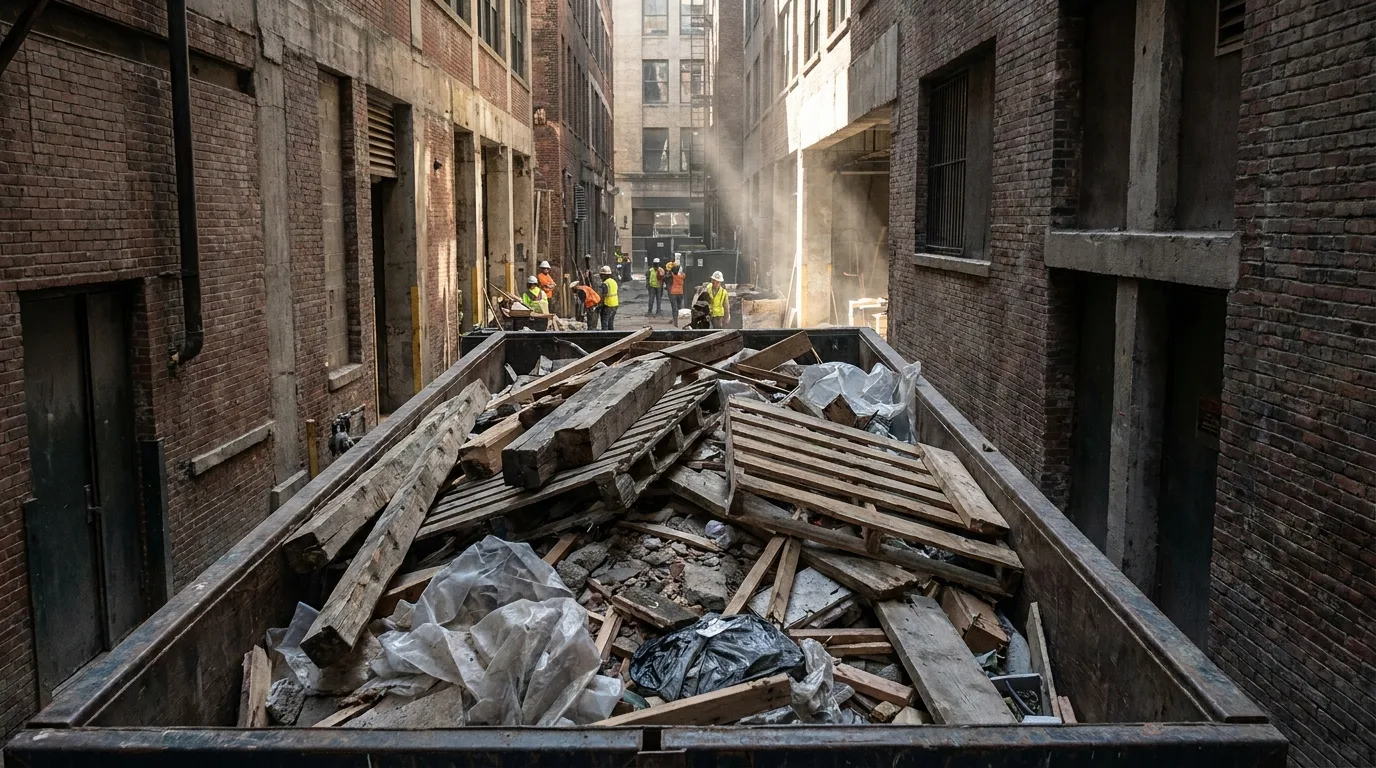
Anything flammable, toxic or pressurized is off the list. Paint cans (even dried ones in bulk), solvents, pesticides, gasoline, motor oil, and anything labeled hazardous under a safety data sheet stays out. Propane tanks and aerosol cans are common problem items on renovation jobs, and they're the ones inspectors flag first. Tires, car batteries, and appliances holding refrigerant (fridges, AC units, freezers) need separate handling because of the coolant inside. Electronics with lithium batteries can spark a fire in a compacted load, which is a real risk once a roll-off dumpster rental truck is moving. Asbestos-containing material and medical or biohazard waste require licensed disposal, not a standard bin. If you're not sure whether something qualifies, check our what cannot go in a dumpster list before loading, or call ahead. This matters more on a home strip-out than most people expect: old shingles, insulation, and paint cans pile up fast, and mixing them into a general debris load is the single most common reason a pickup gets delayed. For homeowners in Huntington Beach tackling a kitchen or bath job, our home renovation porta potty customers often ask the same question about their dumpster order, since the two rentals usually land on site together.
Why does it matter for weight and safety?
Overloading with the wrong material isn't just a rule, it's a truck problem. Wet materials like concrete, dirt, and roofing debris weigh far more per cubic yard than household trash, and a mixed load with liquid waste can push a dumpster past its rated capacity fast. That ties directly into dumpster weight limits, since haulers charge overage fees by the ton, not the load. OSHA 1926.25 covers general housekeeping and debris clearance on active job sites, and OSHA 1926.252 governs disposal chutes and enclosures for waste materials, both relevant if your Huntington Beach project has a crew working around the container daily. A yard with a 20 or 30 yard container packed with wet debris and banned liquids is also a tip-over and compaction hazard when it gets hauled. Choosing the right size matters too. Check dumpster sizes and dimensions before you order, and compare a 10 yard dumpster rental against a 20 yard dumpster rental or 30 yard dumpster rental based on what's actually going in, not just square footage of the job.
What about liquids, tanks, and grease?
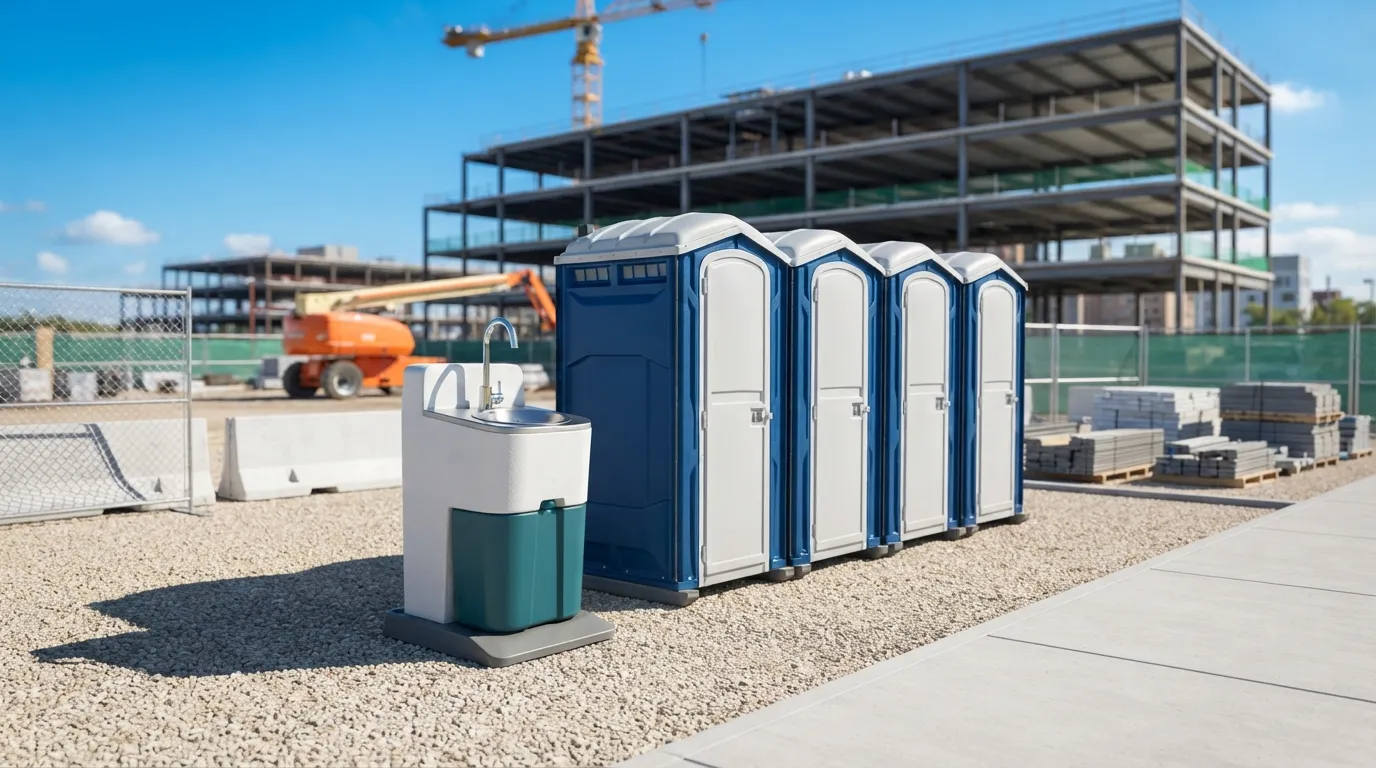
Liquids in bulk are a hard no for a standard dumpster, period. A grease interceptor gets pumped once fats, oils, grease, and solids reach 25 percent of the liquid depth, and that waste goes to a licensed hauler, not a roll-off box; see grease trap pumping for how that's scheduled separately. The same logic applies to septic waste. A residential septic tank is typically pumped every 3 to 5 years depending on tank size and household use, and that liquid never belongs in a dumpster either, it needs a vacuum truck through septic pumping service or septic tank cleaning. If your Huntington Beach property is showing signs of a full tank, our septic tank warning signs page walks through what to watch for. Holding tanks for temporary use, covered under holding tank rental, follow the same separation rule: liquid waste and solid debris don't mix in one container, and combining them creates a mess a hauler will refuse to take.
Where do banned items actually go instead?
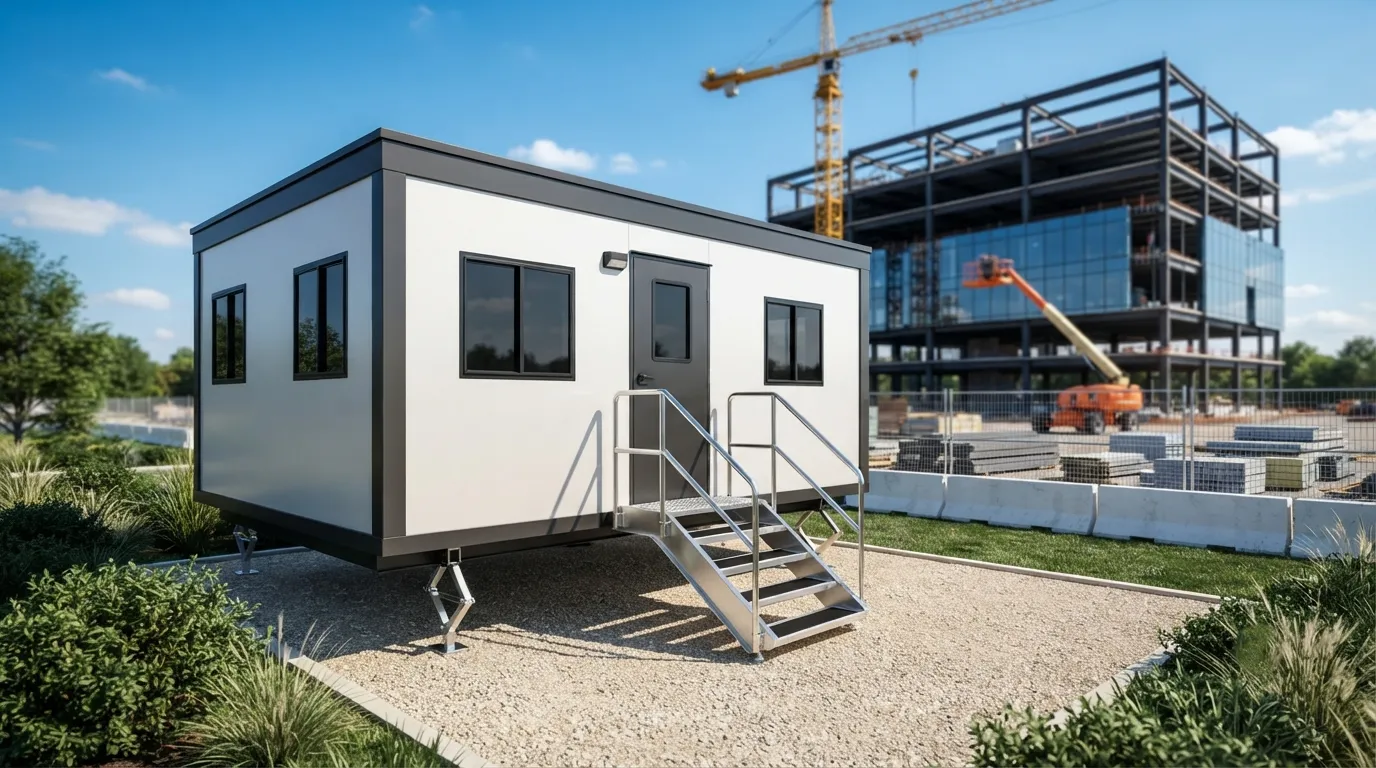
Most banned items have a dedicated drop-off or licensed hauler, not a landfill bin. Paint, batteries, and electronics typically go through a household hazardous waste collection point rather than curbside pickup, and tires usually route through the tire retailer or a scrap facility. If your project generates a mix of banned and allowed debris, ask Huntington Beach Porta Pros about splitting the load before the truck arrives rather than after. For active construction sites, pairing a roll-off with proper sanitation matters too. OSHA 1926.51(c) sets toilet counts by crew size, and most Huntington Beach job sites pair a dumpster order with construction site services or a porta john rental to keep both trash and sanitation compliant on the same schedule. If you're working farther out, driving distance still applies: Midway City sits 4.4 miles north, and Stanton is 8.3 miles north, both inside our standard delivery range for dumpsters and toilets alike.
| Item type | Allowed in dumpster? | Where it goes instead |
|---|---|---|
| Paint, solvents, pesticides | No | Hazardous waste drop-off |
| Tires, batteries | No | Retailer or scrap facility |
| Appliances with refrigerant | No | Licensed appliance recycler |
| Grease, liquid waste | No | Grease trap or septic pump-out |
| Construction debris, wood, drywall | Yes | Standard roll-off |
Can I put old paint cans in my dumpster?
No, not in bulk, even if they're dry. Paint counts as hazardous waste in most cases and needs a dedicated drop-off point. Ask Huntington Beach Porta Pros for a local hazardous waste option when you book your dumpster rental cost estimate, since it's easier to plan before delivery than after.
Will I get charged extra for banned items in my load?
Yes, usually a contamination fee on top of standard rates. Haulers sort loads before disposal, and a banned item found mixed in gets pulled and billed separately. Check dumpster permit requirements and ask about contamination terms when you place your order.
Can I put wet concrete in a roll-off dumpster?
Only in limited volume, and it depends on the container. Wet concrete is heavy and can push a load past its weight limit fast. Ask about a dedicated concrete or heavy debris container instead of mixing it into a general construction dumpster.
Do mattresses or furniture count as banned items?
No, those are usually fine in a standard roll-off. They're bulky, not hazardous, so they load like regular debris. Check what cannot go in a dumpster for the full list if you're combining a furniture clear-out with renovation debris.
What happens if I'm not sure an item is allowed?
Call before you load it. Huntington Beach Porta Pros would rather answer a quick question than pull a banned item out of a full container later. A five-minute call saves a return trip and a contamination fee.
Next step
Get a delivery date
Tell us the address, the dates and the headcount. We size the order and confirm the route.