
How do porta potties work?
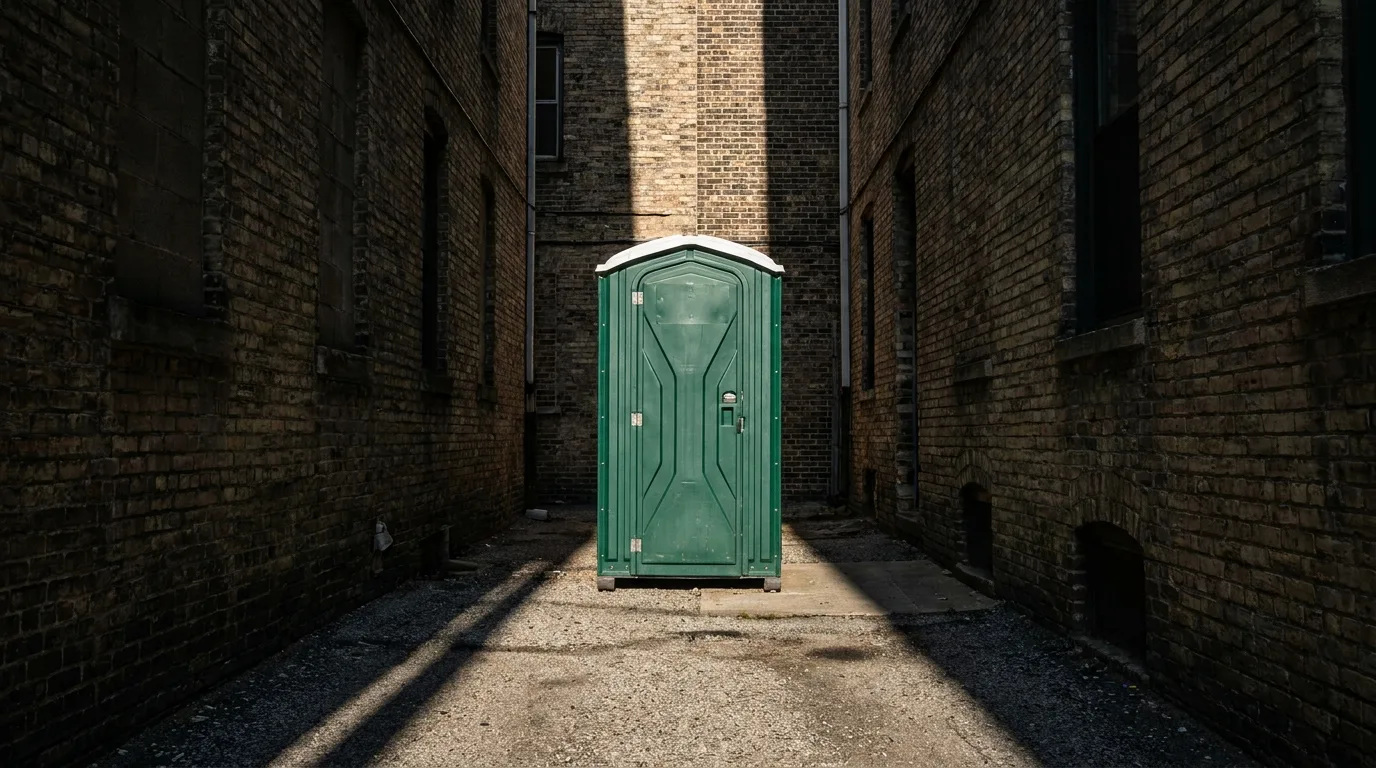
The design is simple on purpose. Waste drops into the tank below the seat, and a holding chemical, usually a blue deodorizer, breaks down solids and controls smell between service visits. There is a roll of paper, a vent stack to move air and gas out the top, and a door latch that shows red or green from outside. A standard unit runs about 44 by 48 inches on the ground and stands close to 92 inches tall, so it fits tight lots without eating much space. ANSI/PSAI Z4.3, the industry standard for portable sanitation, sets one service visit per week for up to 10 users across a 40 hour week as the baseline pumping interval. Busier sites need more frequent visits. If you are speccing units for a crew, check the standard porta potty rental page for what is included, or run the numbers with our guide on how many porta potties you need. A construction worker running to a porta potty on a lunch break needs it close, working, and not overflowing, and that comes down to a pump schedule matched to headcount.
How do flushable porta potties work?
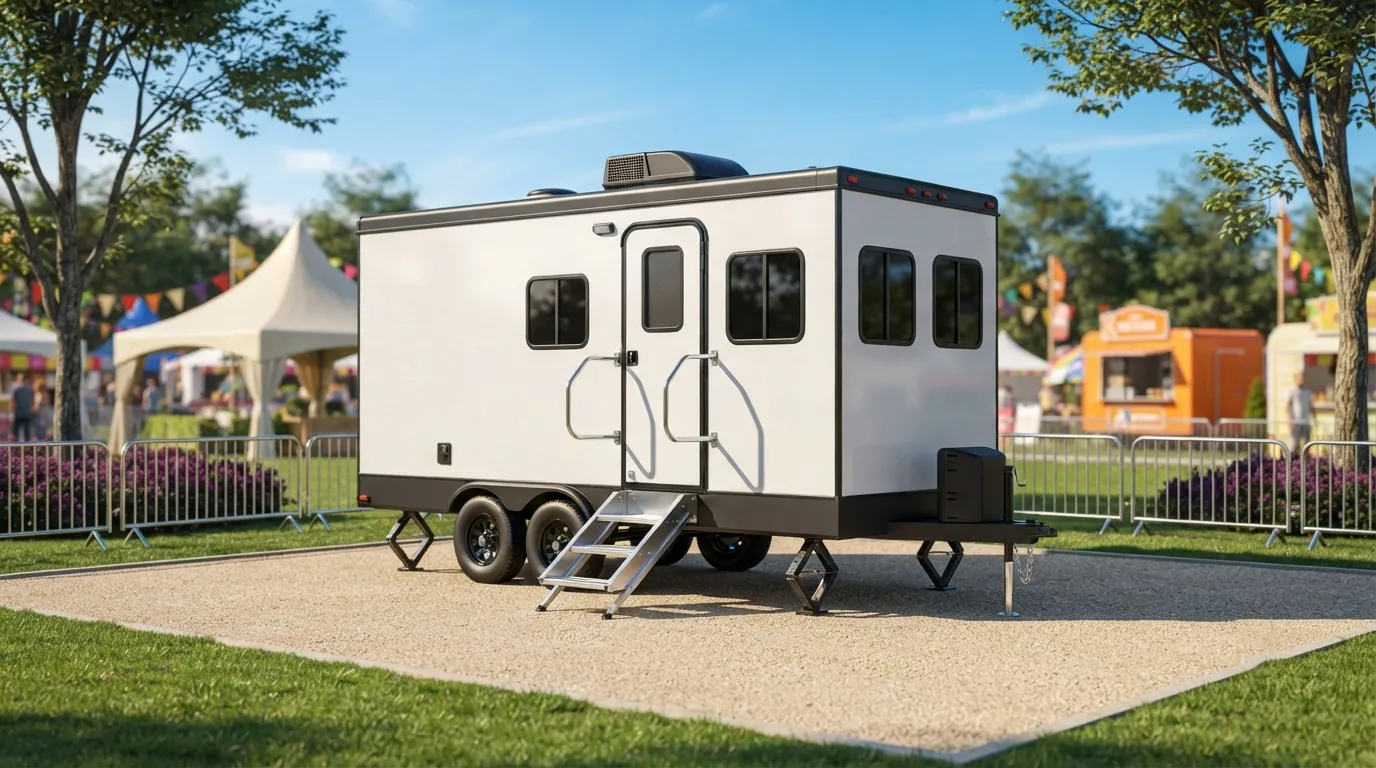
A deluxe or flushable unit adds a small onboard freshwater tank and a foot pump or pressurized flush that rinses the bowl after each use, similar to a standard bathroom but self-contained. The waste still goes into a holding tank below, just like a standard unit, but the flush cuts down on odor and buildup between services. These run more than a standard unit and cost more to service, which shows up in the deluxe flushable porta potty page. Weddings at beachfront venues and corporate events around Huntington Beach lean toward this option because guests notice the difference. For anything larger, a restroom trailer takes it further with real fixtures, running water, and separate stalls, and the luxury restroom trailer option goes further still. ADA Standards section 403.5.1 requires a 36 inch clear width on any accessible route leading to these units, so site layout matters as much as the unit itself. Check ADA restroom requirements before you finalize placement for an event with public access.
How does a portable sink work?
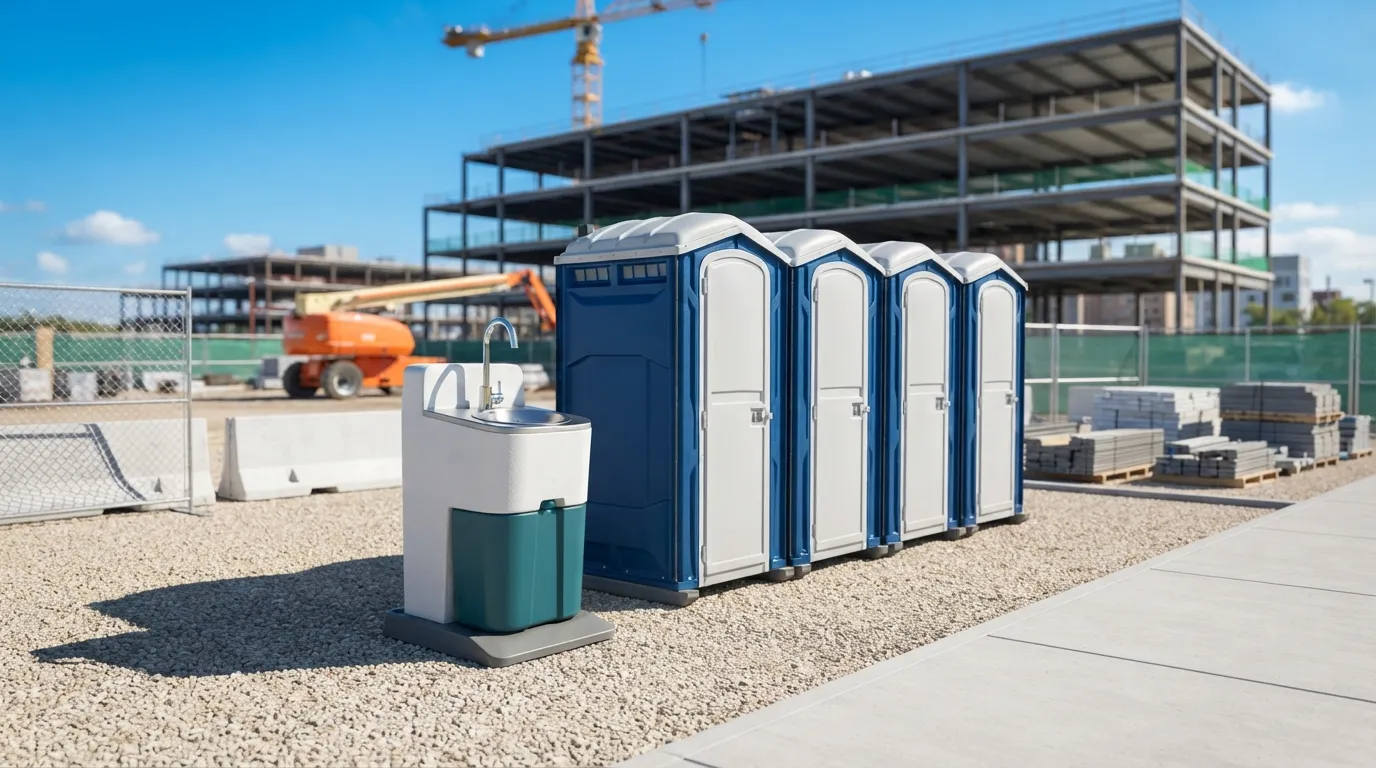
A portable handwashing station carries its own fresh water in a top tank, gravity-feeds it through a foot pump or spigot into a basin, and drains gray water into a tank underneath, no hose bib or sewer line needed. Soap goes in a side dispenser and paper towels sit in a holder on the unit. This matters more than people expect: 29 CFR 1910.141(d)and(2) requires washing facilities to have soap and towels or a hand-drying device, and a hand sanitizer station does not satisfy that on its own. OSHA 1926.51(f)(1) specifically requires washing facilities where workers apply paints, coatings, herbicides or insecticides, so a Huntington Beach painting crew or landscaping outfit needs a real sink, not just gel. See the handwashing station rental page or the standalone portable sink rental option, and if you only need sanitizer for foot traffic, the hand sanitizer station rental covers that instead. Full requirements are broken down on the handwashing requirements page.
What chemicals go in a porta potty, and are they safe?
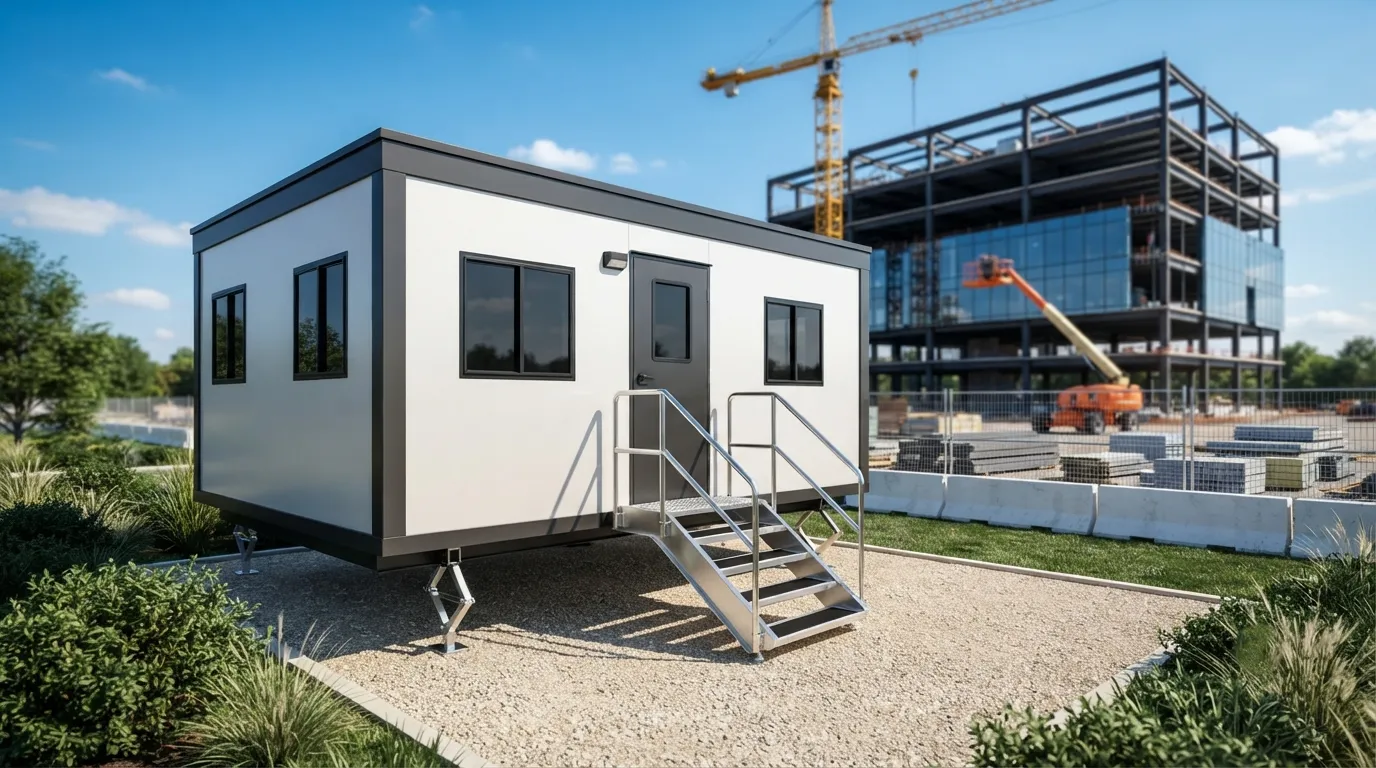
The blue liquid in a standard tank is a deodorizing, waste-digesting chemical, not a disinfectant spray. It breaks down solids, suppresses odor, and keeps the tank from foaming during transport. This is separate from septic tank cleaning chemicals used in a home system, which target a fixed 1,000 to 1,500 gallon tank rather than a portable one. A residential septic tank in Huntington Beach is typically pumped every 3 to 5 years depending on tank size and household size, and chemical treatments do not replace that pump-out. If your tank is showing signs of trouble, the septic tank warning signs page walks through what to watch for, and septic pumping service covers scheduled visits. Restaurants and food trucks near the pier deal with a different chemical load entirely: a grease interceptor gets pumped once fats, oils, grease and solids reach 25 percent of the liquid depth, covered on the grease trap pumping page.
Porta potty rental options and typical costs
| unit type | day | week | month |
|---|---|---|---|
| standard | $100-$350 | $130-$500 | $125-$325 |
| deluxe flushable | $85-$1200 | $150-$290 | not typically monthly |
| ADA accessible | $200-$400 | $240 or more | not typically monthly |
Delivery fees run separately, generally $50-$150 depending on term length. Full breakdowns live on the porta potty rental cost page, the per-day pricing page, and the monthly rental page. For construction crews, OSHA 1926.51(c)(1) sets the ratio: one toilet for 20 or fewer workers, then one toilet and one urinal per 40 workers up to 200. Job sites near Midway City, about 4.4 miles north, and Stanton, roughly 8.3 miles north, follow the same federal ratio regardless of which city they sit in.
How do camping porta potties work?
The same way as a standard rental, just smaller and self-contained for personal use, with a holding tank, a seal, and a chemical packet instead of a service contract. For group camping or a beach event, a rented unit from porta john rental or portable toilet rental beats a personal camp toilet on capacity and smell control.
Why do porta potties smell, and can it be prevented?
Odor builds when the chemical-to-waste ratio drops or a tank sits past its service date. Weekly service under the ANSI/PSAI Z4.3 baseline usually keeps smell in check. See do porta potties smell for the full explanation.
How often are porta potties cleaned?
Most rentals get serviced weekly, but high-traffic events or large crews need two or more visits a week. How often are porta potties cleaned breaks down the schedule by use case.
Do porta potties need a permit in Huntington Beach?
Placement in the public right of way needs confirming with the city before delivery. Check porta potty permit requirements or call ahead so delivery day goes smoothly.
Can I rent a porta potty for a single weekend event?
Yes, weekend rentals are common for weddings, races, and one-day festivals. See event restroom rental or wedding restroom rental for options built around short timelines.
Next step
Get a delivery date
Tell us the address, the dates and the headcount. We size the order and confirm the route.